
Table of Contents
ToggleA small bedroom doesn’t have to feel cramped or uninviting. With the right furniture choices and a smart layout, even a modest space can become a comfortable, functional retreat. The key is selecting pieces that earn their square footage by serving multiple purposes and fitting proportionally to the room’s dimensions. This guide covers practical, space-saving bedroom furniture ideas that actually work, no Pinterest fantasy setups here. Whether someone is furnishing a studio apartment, a kids’ room, or a guest bedroom, these strategies help maximize comfort and usable floor space without sacrificing style or function.
Key Takeaways
- Platform beds with built-in drawers eliminate the need for a separate dresser, saving 30–50 square feet of floor space in small bedrooms without sacrificing storage.
- Loft beds raise the sleeping surface 5–6 feet high, freeing the entire floor area below for a desk, seating, or storage—a game-changing solution for rooms under 120 square feet.
- Space-saving bedroom furniture for small spaces should be measured and tested to scale on graph paper before purchase to prevent cramped layouts and visual clutter.
- Vertical storage through wall-mounted shelving and floating shelves pulls the eye upward, making compact rooms feel larger and less box-like than traditional floor-standing furniture.
- Position the bed on the largest wall opposite the door to maximize sightlines and create visual balance, while avoiding doorway blockages and maintaining at least 30–36 inches of clear walkway space.
- Light wood tones, neutral colors, and minimal nightstands enhance the perceived spaciousness of bedroom furniture arrangements in tight quarters.
Why Space-Saving Furniture Matters For Small Bedrooms
In a compact bedroom, every piece of furniture occupies precious real estate. A standard queen-size bed consumes roughly 80 square feet when accounting for comfortable access on both sides. Add a bulky dresser, nightstands, and a traditional frame, and the room quickly feels cluttered, even at 120–140 square feet.
Space-saving furniture isn’t a compromise on comfort, it’s a strategic investment. Multi-functional pieces reduce the total number of items needed, which visually opens the room and makes it feel larger. A bed with integrated storage, for example, replaces both a bed frame and a separate dresser or under-bed storage containers.
Dimensions matter too. Standard bedroom furniture is often oversized for tight spaces. A nightstand 24 inches wide works fine in a master suite but overwhelms a 10-by-12-foot bedroom. Smart shoppers measure doorways, window placement, and clearance before purchasing. Wall-mounted shelving, floating desks, and narrow dressers are often better choices than full-depth pieces.
Beyond function, the right furniture arrangement affects mood and perceived spaciousness. Vertical storage, light colors, and strategic placement draw the eye upward and around the room, making it feel less box-like. This is why loft beds and tall shelving units work so well in small bedrooms, they push the visual hierarchy upward rather than outward.
Multi-Functional Beds And Storage Solutions
Platform Beds With Built-In Drawers
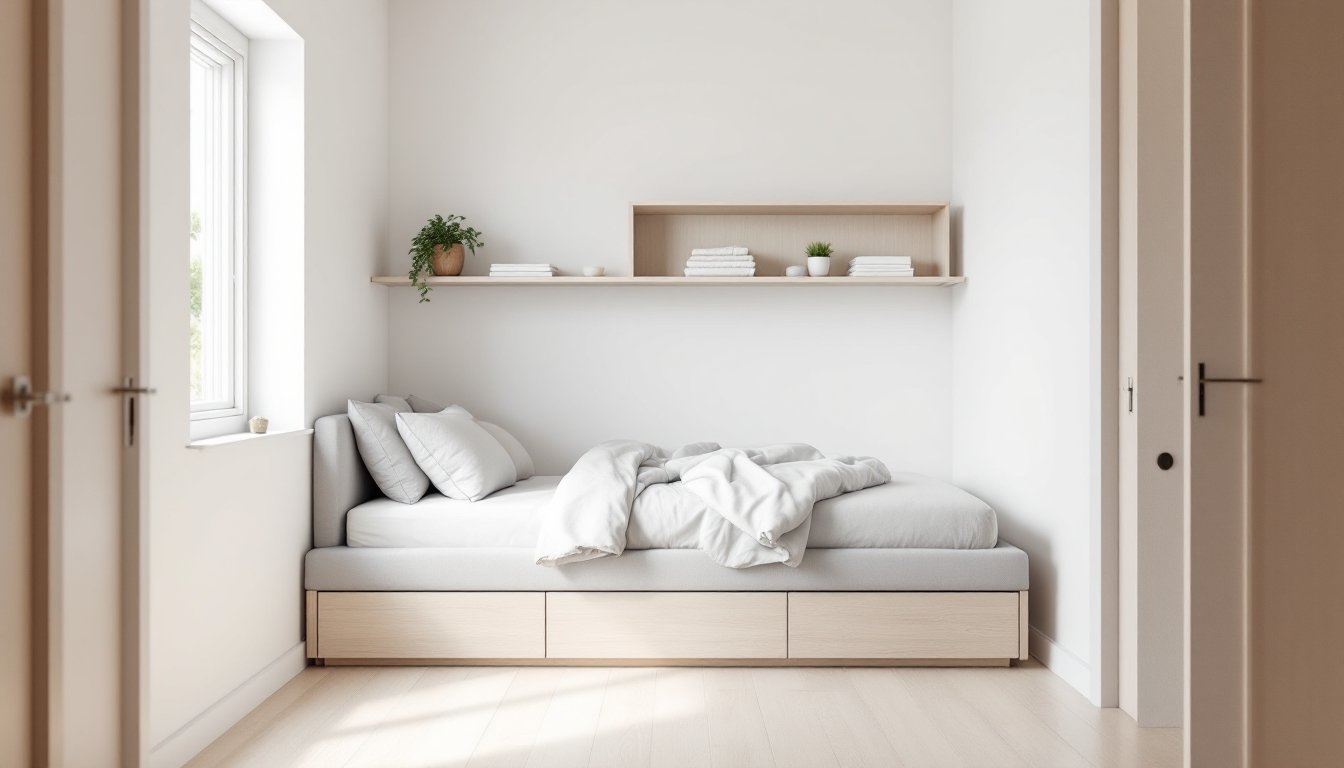
A platform bed with storage drawers is one of the smartest moves for small bedrooms. These frames sit lower than traditional beds (typically 12–18 inches off the floor) and incorporate 2–4 large drawers beneath the mattress. A queen-size unit stores roughly the equivalent of a small dresser without eating into floor space.
When selecting a platform bed, measure the drawer depth and width. Some models offer 24-inch-deep drawers that hold seasonal clothing or bedding: others are shallower and better for shoes or linens. Look for full-extension slides on drawer runners, they prevent tipping and make accessing items at the back easier.
Material choice affects durability and aesthetics. Solid wood platforms (oak, pine, birch) are sturdy and age well, though pricier. Engineered wood or plywood with veneer is budget-friendly and fine for most bedroom climates, but avoid units with thin particleboard if longevity matters. Upholstered platform beds in neutral fabrics (gray, beige, cream) visually soften the footprint and coordinate with most décor.
Installation is straightforward: unbox, assemble the frame rails, attach legs or feet, and slide drawers into runners. No foundation or box spring needed, the solid platform supports most mattresses directly. This single piece eliminates the need for a traditional dresser, saving 30–50 square feet of floorspace.
Loft Beds And Elevated Frames
Loft beds lift the sleeping surface 5–6 feet high, freeing the entire floor area below for a desk, seating, or additional storage. This vertical approach is game-changing for rooms under 120 square feet, particularly in studios or children’s rooms.
Loft bed height varies. Standard lofts sit around 60 inches above the floor, leaving roughly 36–42 inches of headroom underneath, tight but functional. Measure ceiling height before buying: 8-foot ceilings are the practical minimum: 9 feet is more comfortable. Some lofts include a built-in desk or shelving on one side, adding 15–20 pounds of functionality without extra footprint.
Safety comes first with lofts. Ensure the bed frame is rated for the user’s weight plus mattress and any items stored below. Ladders should have a 45-degree angle and deep rungs: avoid rope ladders or slender steps. Installing a safety rail on all open sides is essential, especially for kids. If anchoring to the ceiling or walls is recommended by the manufacturer, do it, a free-standing loft bed can shift over time.
Material durability is critical since loft beds bear concentrated loads. Solid wood construction or heavy-duty steel tube frames are best. Avoid cheap laminate or plastic connectors that wear under repeated use. Mattress choice matters too: a firm, low-profile mattress (8–10 inches) reduces the total height and prevents the sleeper’s head from hitting a sloped ceiling or soffit.
Some loft designs include an integrated desk and shelving on the long side, eliminating the need for a separate workspace. Others leave the area bare, giving flexibility to add a dresser, small seating area, or hobby station later. This modularity is perfect for renters or anyone who rearranges frequently.
Smart Furniture Placement And Layout Strategies
Layout makes or breaks a small bedroom. A poor arrangement feels cramped: a smart one flows naturally and maximizes usable space.
Start with the bed placement. In most rooms, the bed should anchor the largest wall, ideally opposite the door. This maximizes sightlines and creates visual balance. If a window sits on that wall, position the bed to avoid direct sun and street noise, side or foot walls work in these cases. Never block the main door or create a furniture maze between the entrance and the main rest area.
Vertical storage is non-negotiable. Wall-mounted shelving above the desk, bed, or dresser pulls the eye up and eliminates the need for standalone bookcases or cabinets. Floating shelves (typically 8–12 inches deep) work well in small rooms: deeper shelves risk looking top-heavy. Install shelves 12–15 inches apart for standard books and décor: adjust spacing as needed.
Furniture scale matters enormously. A standard dresser (36 inches wide, 18 inches deep) works in a 10-by-12 room, but a 48-inch dresser creates a bottleneck. Measure the bedroom, sketch the layout on graph paper, and test furniture dimensions to scale. A narrow 24-inch-wide dresser or a wall-mounted console provides storage without dominating the space.
Minimize nightstands. One narrow nightstand (16–20 inches wide) or a small floating shelf on one side of the bed is often enough in tight quarters. This frees floor space and reduces visual clutter. If a second person sleeps in the bed, a single taller shelf or floating desk between the headboard and wall can serve both sides.
Doorway and pathway clearance prevents that cramped feeling. Ensure at least 30–36 inches of clear floor space to walk from the door to the far side of the bed or to a window. Cramped aisles make the room feel suffocating, even if furniture placement is technically “efficient.”
Color and finish choices amplify spaciousness. Light wood tones (ash, maple, whitewashed oak) and light paint colors make rooms feel airier than dark or heavy finishes. A white or cream platform bed with light gray bedding and one wall of open shelving feels less dense than dark wood furniture and heavy window treatments. Avoid oversized headboards, bulky bed skirts, and heavy fabrics that visually shrink the room.
Conclusion
Small bedrooms reward thoughtful furniture selection and planning. Platform beds with storage, loft frames, and vertical shelving maximize function without consuming floor space. Measure the room, draft a layout to scale, and prioritize pieces that earn their square footage through dual purposes or compact footprints. With the right approach, even 100 square feet can feel open, organized, and genuinely restful, proof that small spaces and big comfort aren’t mutually exclusive.