
Table of Contents
ToggleModular patio furniture has become the go-to choice for homeowners who want flexibility without sacrificing style or durability. Unlike traditional fixed outdoor sets, modular furniture lets owners reconfigure seating, add loungers, or expand configurations as needs change. Whether someone’s working with a small deck or a sprawling backyard, modular pieces adapt to the space, and to life’s shifting demands. This guide walks through what modular patio furniture actually is, why it’s worth the investment, and how to select and maintain pieces that’ll deliver year after year.
Key Takeaways
- Modular patio furniture uses individual components with snap or bolt connectors that reconfigure without tools, offering unlimited layout flexibility as your space and lifestyle needs change.
- Modular pieces cost more initially but deliver long-term value since you can replace worn individual components—like a faded cushion—instead of scrapping an entire set.
- Quality modular patio furniture uses weather-resistant materials like powder-coated aluminum, UV-stabilized synthetic wicker, and marine-grade fasteners that last 10+ years with seasonal care.
- When choosing modular patio furniture, measure your space accurately, assess daily-use demands, and confirm that expansion pieces match your preferred brand’s connector standards.
- Seasonal maintenance is minimal: dust monthly, hose down gently, store cushions indoors during rain, and in harsh climates, disassemble and store components separately to protect connectors from freeze-thaw stress.
What Is Modular Patio Furniture?
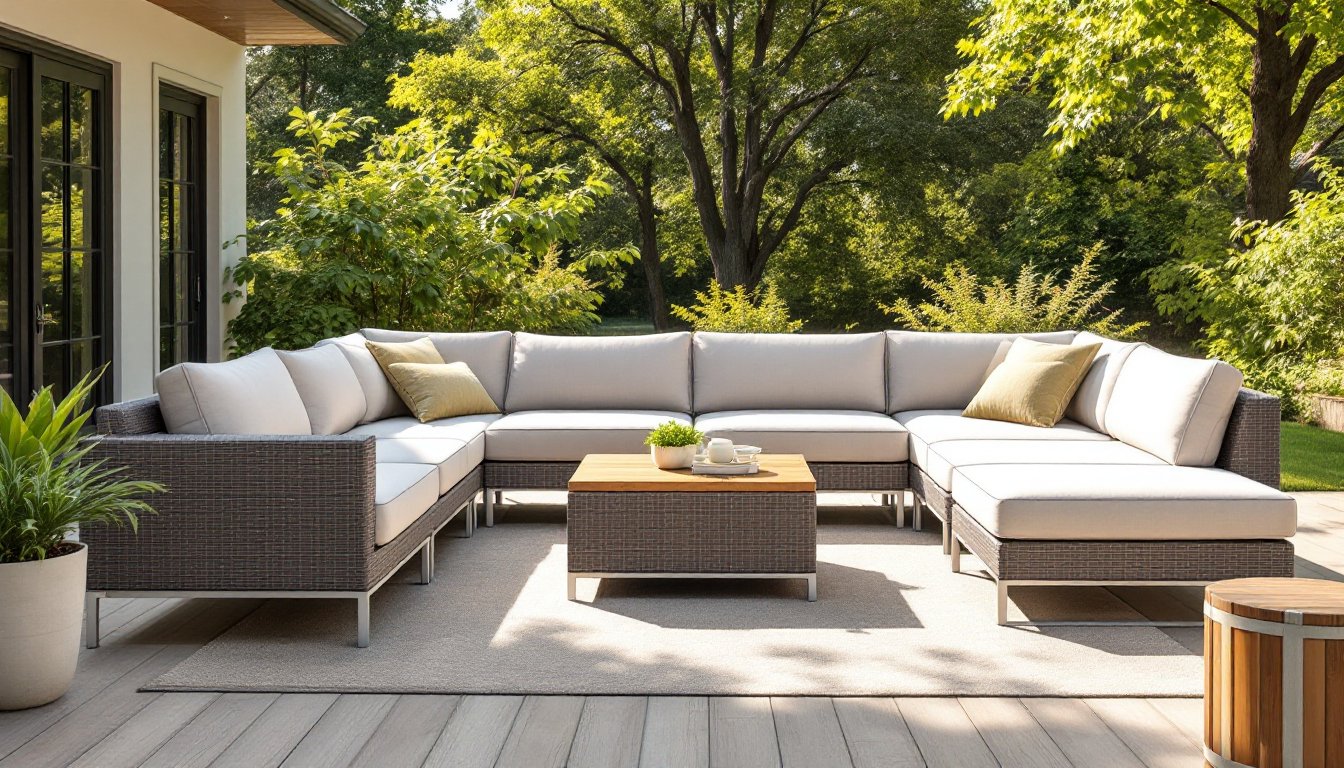
Modular patio furniture consists of individual seating, lounging, or table components that clip, bolt, or click together without tools. Unlike a sectional sofa bolted into one shape, modular pieces are designed as standalone units that combine in multiple configurations. Think of them as building blocks: armless chairs, corner pieces, chaise lounges, and ottomans snap together to form an L-shaped conversation set, a long sofa, or even a sleeping nook.
The key difference from traditional outdoor furniture is modularity itself. A homeowner can buy a three-piece set today, then add a chaise and two ottomans next spring without worrying about matching or structural compatibility. The connectors, usually metal brackets or snap fasteners, hold pieces stable while allowing quick reconfiguration. This system works across wicker, aluminum, teak, and composite materials, making modular a design philosophy rather than a single material category.
Key Benefits of Going Modular
Flexibility and Customization
Modular furniture’s main appeal is adaptability. A homeowner can arrange two chairs and a corner unit one season, then reconfigure into a daybed setup for summer entertaining. Kids can use part of the set for a lounge area while parents sit nearby on the sectional portion. When someone moves, they can take pieces with them or leave what doesn’t fit the new space.
This customization extends to scale. A compact balcony starts with one love seat and two chairs: a growing family adds loungers and a side table module later. Configurations don’t feel “pieced together” when components share the same frame style, cushion depth, and finish. Mixing and matching stays cohesive because manufacturers design modular lines as families, ensuring aesthetic unity across options.
Long-Term Value and Durability
Modular patio furniture often costs more upfront than rigid sectionals, but longevity justifies the price. Since individual pieces wear differently, a lounge chair takes more sun than a shaded side table, modularity lets owners replace just the worn component rather than scrapping the entire set. A faded chaise cushion can be replaced for $80 instead of replacing a $2,000 sectional.
Quality modular systems use weather-resistant materials: powder-coated aluminum frames, UV-stabilized synthetic wicker, and marine-grade fasteners. Teak modular sets age beautifully, developing a silvery patina over years while remaining structurally sound. Composite materials resist rot, mildew, and insect damage better than untreated wood. Most manufacturers offer replacement parts, legs, connectors, cushions, ensuring pieces stay functional for a decade or more with basic care.
How to Choose the Right Modular Set for Your Space
Start by measuring the outdoor area accurately. Modular pieces sit larger than they look on a webpage, a four-seat sofa configuration typically needs 8 to 9 feet of linear space, and depth ranges from 32 to 36 inches. Sketch the layout with dimensions, accounting for traffic paths, grills, and shade patterns. A set that blocks a doorway or crowds a patio defeats the purpose of flexibility.
Next, assess usage. Will the set see daily use from multiple family members, or occasional entertaining? High-traffic setups need durable materials and washable cushions, performance fabrics rated for outdoor use resist staining better than linen blends. If the furniture will sit under a patio cover or in shade, weight matters less: full-sun exposure demands light colors or UV-stabilized materials to prevent fading.
Consider the starting footprint versus expansion potential. Many modular lines let owners grow configurations by 50% to 100%, so buying a two-person loveseat with plans to add corner and chaise modules later is realistic. Check whether the manufacturer offers the pieces someone actually wants, some lines focus on sectionals while others emphasize loungers and ottomans. Finally, confirm connector compatibility. A corner bracket from Brand A won’t lock into Brand B’s frame, so standardization within a single line matters.
Design Styles and Material Options
Modular patio furniture spans aesthetic ranges. Modern lines feature clean lines, slim aluminum frames, and flat-weave synthetic wicker in neutral tones, ideal for minimalist or contemporary decks. Traditional designs incorporate thicker wicker, curved arm rests, and warmer finishes that suit heritage homes and lush gardens. Transitional styles bridge both camps with mixed materials: teak bases supporting cushioned seat modules, for instance.
Material choice drives durability and maintenance. Powder-coated aluminum is lightweight, rust-resistant, and affordable: it’s the backbone of most modular systems. Synthetic wicker (polyethylene or polypropylene) resists UV damage and mildew, though it can soften in extreme heat, position pieces in dappled shade if summers exceed 95°F regularly. Teak is premium: naturally water-resistant, doesn’t require staining, and withstands saltwater climates. Composite wood (recycled plastic blended with sawdust) mimics wood’s look while resisting rot, useful in humid regions but slightly less flexible under extreme temperature swings.
Cushion fill matters too. High-density foam (ILD 25–30) holds shape through seasons: cheaper foam compacts and sags within two years. Look for solution-dyed fabrics (color runs through the fiber, not just the surface) and zipper covers for washability. Performance fabrics rated for outdoor use repel water and resist fading, Sunbrella is the industry standard, though store brands often match performance at lower cost.
Maintenance and Care Tips
Modular furniture requires minimal upkeep if cleaned seasonally. Dust frames and wicker with a soft brush or damp cloth monthly, paying attention to crevices where mildew starts. For deeper cleaning, hose down the set with low pressure water, high pressure can force moisture into joints or damage wicker weave. Use mild dish soap and a soft brush on stubborn stains, then rinse thoroughly and air-dry.
Cushion care extends their life significantly. Bring cushions indoors during heavy rain or store them in a sealed container: moisture trapped inside promotes mildew. Rotate cushions every few months so they wear evenly, and brush off debris weekly. If a cushion cover is removable and machine-washable, launder it on a gentle cycle and air-dry completely before reinstalling, damp cushions invite rot. For permanent covers, spot-clean with a solution-dyed fabric cleaner following the manufacturer’s instructions.
Winter storage depends on climate. In mild regions (USDA zones 9–11), wipe down pieces and cover them loosely with breathable tarps to prevent dust accumulation while allowing air circulation. In harsh winters, disassemble modular sets and store frames and cushions separately in a shed or garage, the cold itself won’t damage quality materials, but repeated freeze-thaw cycles can stress connectors. Drain any collected water from hollow frame tubes before storing. Spring prep involves checking connector bolts for corrosion and tightening any loose fasteners with the appropriate wrench or hex key before reassembling.
For teak specifically, no staining or sealing is necessary, though some owners apply teak oil annually to maintain honey color (untreated teak grays within months). Synthetic wicker and aluminum fade slightly over years, but discoloration is cosmetic, function remains intact. Should cushions deteriorate, most manufacturers sell replacements as separate line items, keeping total refresh costs reasonable compared to replacing entire seating systems.