
Table of Contents
TogglePatio furniture is a significant investment, and without proper protection, weather, UV rays, and seasonal changes can degrade it rapidly. Whether homeowners have a few lounge chairs or an entire outdoor sectional, investing in quality patio furniture covers pays dividends in longevity and appearance. This guide covers everything from selecting the right outdoor patio furniture covers to understanding the differences between individual piece covers and full furniture set covers, ensuring readers can make informed decisions that fit their specific outdoor space and climate.
Key Takeaways
- A quality patio furniture cover extends furniture lifespan by 5–10 years while reducing cleaning time and costing only 10–20% of replacement value, making it a smart protective investment.
- Patio furniture covers come in two main types—individual piece covers for mixed setups and set/sectional covers for complete outdoor collections—each requiring accurate measurement and proper sizing for secure fit.
- Invest in solution-dyed polyester with 50+ UPF UV protection, breathable ventilation, reinforced seams, and dual-attachment systems to ensure your patio furniture covers withstand weather and last 5+ years.
- Match your cover material to your climate: lightweight covers for mild areas, breathable fabrics for humid regions, and heavy-duty 8+ oz covers for year-round outdoor use or cold winters.
- Proper installation, seasonal inspections, gentle cleaning with mild soap, and loose storage between seasons maximize the effectiveness and lifespan of patio furniture covers.
Why Patio Furniture Covers Matter
Patio furniture sits exposed to the elements year-round, which accelerates wear and tear. Sun exposure fades fabric and weakens frame joints, while rain causes rust, mold, and wood rot. Winter conditions are particularly harsh, snow accumulation stresses frames, freeze-thaw cycles crack materials, and salt spray (in coastal areas) corrodes metal.
A quality cover acts as a barrier, extending furniture lifespan by 5-10 years or more. Covers for patio furniture also reduce cleaning time significantly, a dust-covered piece takes less than five minutes to wipe down compared to hours of scrubbing mold or treating rust stains. For homeowners in humid climates or regions with distinct winters, covers for patio furniture become especially valuable for preventing season-to-season damage. The cost of a durable cover is typically 10-20% of the furniture’s replacement value, making it a practical protective investment.
Types Of Patio Furniture Covers
Individual Piece Covers
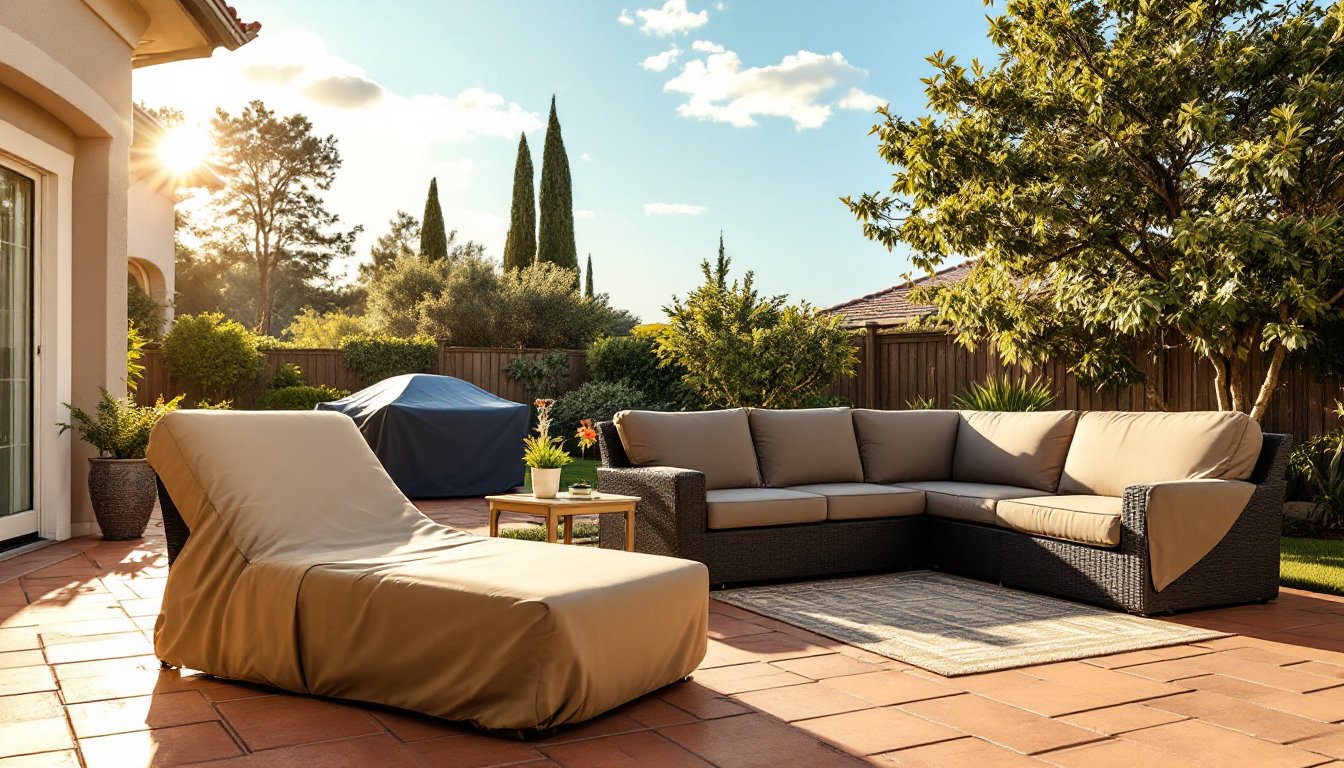
Individual piece covers are tailored for single chairs, side tables, loungers, or benches. These are ideal for DIYers with mixed furniture styles or small patio setups. Look for covers with elastic hems or drawstring closures that prevent wind from whipping them off, a common point of failure with cheaper options. Outdoor covers for patio furniture of this type typically range from small (24″ × 24″ for side tables) to large (84″ × 40″ for lounge chairs). When measuring, add 2-4 inches to actual dimensions to ensure the cover doesn’t bind or expose edges during installation.
Individual piece covers come in lightweight (4-6 oz fabric) or heavy-duty versions (8-10 oz). Lightweight works well for mild climates where furniture stays in storage during off-season: heavy-duty is essential for year-round outdoor use or regions with frequent rain or snow.
Set And Sectional Covers
Patio furniture set covers are designed for complete dining sets, sectionals, or L-shaped configurations. These furniture cover patio options save time compared to covering each piece individually, and they maintain uniform appearance on the patio. Set covers typically come in modular styles (separate covers for seating, table, and benches) or as one unified cover for smaller sets.
Sectional covers require careful measurement of the total footprint, length, depth, and height when cushions are in place. Many homeowners underestimate vertical height: a low-profile cover won’t stay secure on a plump sectional with thick cushions. Patio furniture set covers for comprehensive protection usually feature roof-like peaked designs that shed water and prevent pooling. For larger sets, modular options allow purchasing only what’s needed rather than oversizing a single cover.
Key Features To Look For
Material Quality and UV Protection
Fabric matters tremendously. High-quality covers use solution-dyed polyester, which resists fading and moisture absorption better than topical coatings. Look for covers with a UV-resistant coating, typically rated at 50+ UPF (ultraviolet protection factor). Budget covers often use thin vinyl that cracks in freezing temperatures or becomes brittle under sun exposure within a year.
Ventilation and Moisture Management
Under-ventilated covers trap condensation, promoting mold and mildew growth. Quality outdoor patio furniture covers feature air vents or breathable fabric construction. If moisture builds inside a sealed cover, it will damage cushions and frames faster than exposure to air. Look for ventilation grommets or vents positioned at the top or corners, never on the bottom, where water pools.
Secure Attachment Systems
Wind is a cover killer. Straps, grommets, and drawcords need to anchor firmly to the furniture frame. Elastic hems are convenient but slip off in sustained wind: reinforced straps with buckles or velcro closures provide security. For patio furniture covers for winter use in windy climates, dual-attachment systems (strap + elastic) offer redundancy.
Reinforced Seams and Edging
Seams fail before fabric does. Look for double-stitched seams with sealed stitching (waterproof thread coating). Reinforced corner patches prevent tearing, and bound edges resist fraying. Cheap covers unravel within 1-2 seasons: quality covers last 5+ years.
How To Choose The Right Cover For Your Furniture
Step 1: Measure Accurately
Measure twice, measure three times if chairs are oddly shaped. Use a soft tape measure and record length, width, and height with cushions in place. Round up to the nearest size (if a chair is 32″ wide, don’t assume a 30″ cover will fit). Keep measurements on a note card: manufacturers’ sizing charts vary, and you’ll reference these when comparing options.
Step 2: Assess Your Climate
Mild climates (Phoenix, Southern California) need lightweight covers with UV protection: winter isn’t a concern. Humid regions (Southeast, Gulf Coast) require breathable, mildew-resistant fabrics. Cold climates demand heavy-duty covers that handle freeze-thaw cycles and snow load. If outdoor furniture sits exposed year-round, invest in 8+ oz fabric: seasonal storage allows lighter-weight options.
Step 3: Match Material to Furniture Type
Wood furniture needs breathable covers to prevent rot. Woven vinyl or solution-dyed polyester works well. Metal frames tolerate sealed covers better but benefit from ventilation to prevent rust. Teak and other hardwoods are most vulnerable to moisture trapping, so prioritize airflow. Cushioned pieces require covers with moisture-shedding properties on top but breathability on sides and underneath.
Step 4: Budget Realistically
Basic individual piece covers run $15-40: quality versions cost $40-100. Full furniture set covers range $80-300 depending on size and material. A premium cover costs 15-25% of the furniture’s original price but extends its life significantly. Don’t cheap out on covers if furniture is valuable: spending $150 on a cover for a $1,200 sectional is smart math.
Maintenance And Care Tips
Proper Installation
Clean and dry furniture before covering. Dirt and moisture trapped under the cover breed mold. Install covers on calm days, wind makes alignment difficult and can damage the cover itself. Secure all attachment points (straps, velcro, elastic) so the cover stays put during gusts. Check that the cover isn’t binding or pulling edges of cushions, tension creates stress points that tear under wind load.
Seasonal Checks
In fall and early spring, inspect covers for tears, seam separation, or mold spots. If moisture is visible inside, lift the cover during dry days to allow airflow. Remove debris (leaves, pine needles) that collects on top, buildup retains moisture and can damage the cover. For patio furniture covers for winter in snowy regions, brush off accumulation rather than letting it compress the cover under its own weight.
Cleaning the Cover
Wash covers with mild soap and a soft brush, then rinse thoroughly with a garden hose. Never use pressure washers on vinyl or polyester, high pressure damages fibers and seams. Air-dry completely before reinstalling to prevent mildew. Once yearly, inspect grommets and attachment points for corrosion or wear: replace hardware if it’s rusting or failing.
Storage When Not in Use
If furniture is stored indoors during off-season, fold covers loosely and keep them in a dry place. Don’t crease permanently, fold differently each time to distribute stress. Flat, rolled storage is ideal, but practical space constraints usually dictate loose folding. A dry garage or shed protects covers from UV degradation between seasons.