Table of Contents
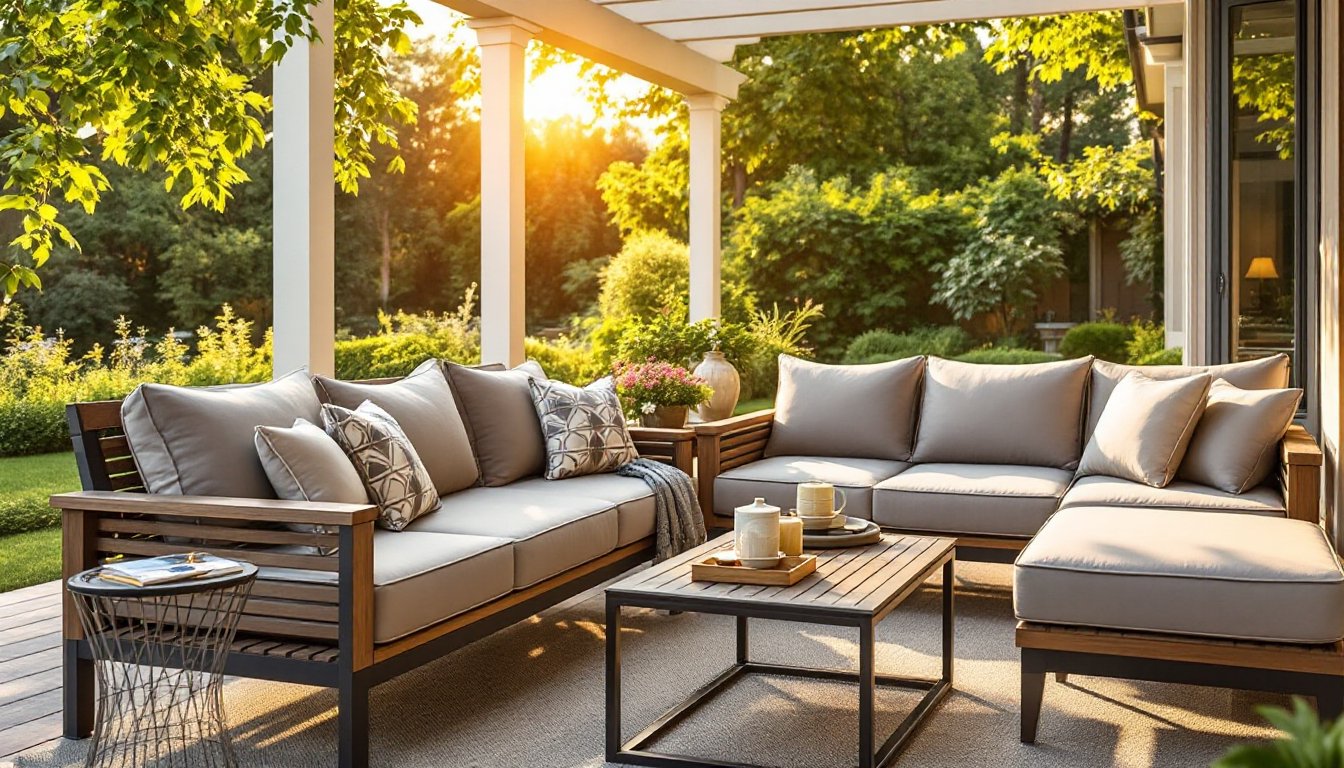
TogglePatio furniture takes a beating. Sun, rain, temperature swings, and foot traffic wear down cushions faster than most homeowners expect. Rather than replace entire seating sets or settle for ill-fitting stock cushions, many DIYers and homeowners are turning to custom patio furniture cushions, a practical solution that extends the life of existing frames and tailors comfort to personal preference. Custom cushions offer precise fit, material choice, and style control that off-the-shelf options simply can’t match. Whether refreshing a beloved seating area or outfitting a new deck, understanding the options for fabric, design, and upkeep makes the difference between a project that delivers years of outdoor comfort and one that disappoints within a season.
Key Takeaways
- Custom patio furniture cushions provide precise fit, material choice, and style control that stock options can’t match, typically costing $80–$300 per piece depending on size and fabric grade.
- Solution-dyed acrylic fabrics like Sunbrella are the gold standard for outdoor cushions, offering minimal fading, mildew resistance, and durability of 5–7 years with basic care.
- Accurate measurements are essential when ordering custom cushions—measure the seating frame at its widest points and account for depth, curves, and any tapered shapes for a perfect fit.
- Foam thickness varies by cushion type: 2-inch foam for light support, 4-inch for lounge chairs (the comfortable middle ground), and 6-inch for statement pieces like daybeds.
- Seasonal storage, weekly debris removal, monthly rinsing, and annual zipper inspections significantly extend the lifespan of custom cushions and prevent moisture and mildew damage.
- Neutral color tones like grays and taupes hide wear best, while patterns with larger repeating designs age gracefully and maintain visual appeal compared to small, intricate prints.
Why Choose Custom Cushions for Your Patio
Stock cushions rarely fit existing furniture frames perfectly. Gaps between cushion and frame let water pool, lead to uneven support, and create visible wear patterns. Custom patio furniture cushions solve this problem by matching exact frame dimensions, whether the seating is a vintage cast-aluminum set, a modern slatted sectional, or bench-style dining chairs.
Beyond fit, custom cushions let you specify foam density, cover fabric, and edge details. Someone with a bad back might choose firmer, thicker cushioning: a sunbather might prefer thinner, cooler materials. A homeowner dealing with intense UV exposure or frequent rain can select fabrics rated for extreme weather, extending cushion life from two seasons to five or more.
Cost-wise, custom cushions often cost less than replacing an entire seating suite, especially if the frames are structurally sound. A professional cushion maker or online custom cushion service charges per piece based on size and fabric grade, typically $80 to $300 per seat cushion, depending on complexity. DIYers with sewing skills can reduce costs further by making their own, sourcing foam and fabric independently.
Fabric Options and Material Considerations
Fabric choice determines how long custom cushions last outdoors. Not all fabrics are equal when exposed to sun, chlorine, salt spray, or standing water.
Solution-dyed acrylic (brands like Sunbrella and Outdura) is the gold standard for patio cushions. The color runs through the entire fiber, so fading is minimal even after years of UV exposure. These fabrics resist mildew, dry quickly, and handle moisture well. Price runs $12 to $25 per yard.
Polyester outdoor blends offer budget-friendly alternatives at $6 to $12 per yard. They’re less durable than acrylics and fade faster, but work fine if cushions are stored seasonally or kept under an awning.
Sunscreen mesh fabrics (open weave) breathe better in hot climates and shed water quickly. They’re popular for Mediterranean and coastal settings but offer less plush feel underfoot.
Vinyl-coated polyester provides waterproof protection, ideal for areas with heavy rain or humid climates. But, it doesn’t breathe well and can trap heat and moisture underneath, potentially causing mildew on the foam core. Use it only if adequate drainage exists beneath cushions.
When ordering custom cushions, confirm that the fabric is solution-dyed and rated for outdoor use (look for UV and water resistance certs). Measure the cushion area carefully and account for any piping, trim, or zipper details, these affect yardage and final cost. Allow for 5 to 10 percent extra fabric to account for pattern matching or mistakes.
Designing Your Custom Cushions
Color and Pattern Selection
Color choice balances aesthetics with practicality. Darker colors absorb heat and show dust: light colors fade faster and show stains. Neutral tones (grays, khakis, taupes) hide wear well and complement most outdoor decor. If the patio has strong architectural features or landscaping, a coordinating pattern or accent color ties the space together.
Patterns should have repeating designs larger than the cushion seams. Small, intricate prints muddy when viewed from a distance and become visually busy. Stripes, geometric blocks, or larger florals photograph well and age gracefully. Check the pattern repeat and confirm the cushion maker can align it across multiple pieces for visual continuity.
Test samples if possible. Outdoor fabric colors look different in morning sun, afternoon glare, and under shade. If ordering online, request a swatch or fabric sample before committing to a full set.
Size and Shape Customization
Accurate measurements are non-negotiable. Measure the seating frame at its widest points and depth (front to back), accounting for the curve of the frame’s edge. A frame that sits slightly wider at the back than the front needs a tapered cushion, the cushion maker needs these exact dimensions.
For seat cushions, decide on thickness. 2-inch foam provides light support and is ideal for chairs already contoured: 4-inch foam suits lounge chairs and deeper seating. 6-inch foam is reserved for statement pieces like outdoor daybed cushions. Thicker isn’t always better, 4 inches is a comfortable middle ground for most applications.
Back cushions require different specs. A 3 to 4-inch thickness with medium-firm foam provides back support without excessive bulk. Some people prefer thinner back cushions (2 inches) paired with a firmer foam for postural support.
Shape matters too. Rectangular cushions suit modern frames: rounded corners soften traditional pieces. Some frames benefit from tapered shapes (wider at the seat, narrower at the back) for a fitted look. Double-check that custom cushion makers can execute the specific shape and confirm lead times, 6 to 8 weeks is typical for quality custom work.
Care and Maintenance Tips
Even the best custom cushions require upkeep to maximize lifespan. Store cushions indoors or in a sealed container during off-season months, especially in regions with harsh winters or extended wet seasons. Prolonged moisture exposure weakens foam and invites mildew, regardless of fabric quality.
During the season, brush off debris weekly and hose down with fresh water monthly. Salt spray (coastal areas) and chlorine (poolside) require more frequent rinsing to prevent material degradation. Spot-clean stains promptly with a mild detergent solution and a soft brush, avoid bleach on colored fabrics, as it causes uneven fading.
Rotate cushions every few weeks if seating is heavily used. This distributes wear and prevents the foam from compressing unevenly. If the outdoor furniture lives under a permanent pergola or roof structure, ventilation underneath prevents moisture trapping. Use outdoor furniture covers (breathable, not solid plastic) in stormy weather to shield from heavy rain while allowing airflow.
Inspect zippers and piping annually. Fraying edges or stuck zippers indicate wear: small repairs now prevent larger failures. Many cushion makers offer repair services or sell replacement parts, which is cheaper than replacing the entire cushion. Foam can compress over time, if a cushion loses support after 3 to 5 years of regular use, replacement is usually more cost-effective than re-foaming.
For custom cushions made with solution-dyed acrylic (the recommended choice), fading is gradual and minimal. Most quality cushions maintain appearance for 5 to 7 years with basic care. The initial investment in durable materials and proper maintenance pays off through extended comfort and fewer replacements.
Conclusion
Custom patio furniture cushions transform an outdoor seating area from uncomfortable and worn-looking to tailored and inviting. By selecting solution-dyed acrylic or high-quality outdoor fabrics, specifying accurate dimensions, and committing to seasonal care, homeowners invest in comfort that lasts. Whether outsourcing to a professional cushion maker or tackling DIY upholstery, the result is a patio that feels purposeful and well-maintained, a space worth spending time in, season after season.