Table of Contents
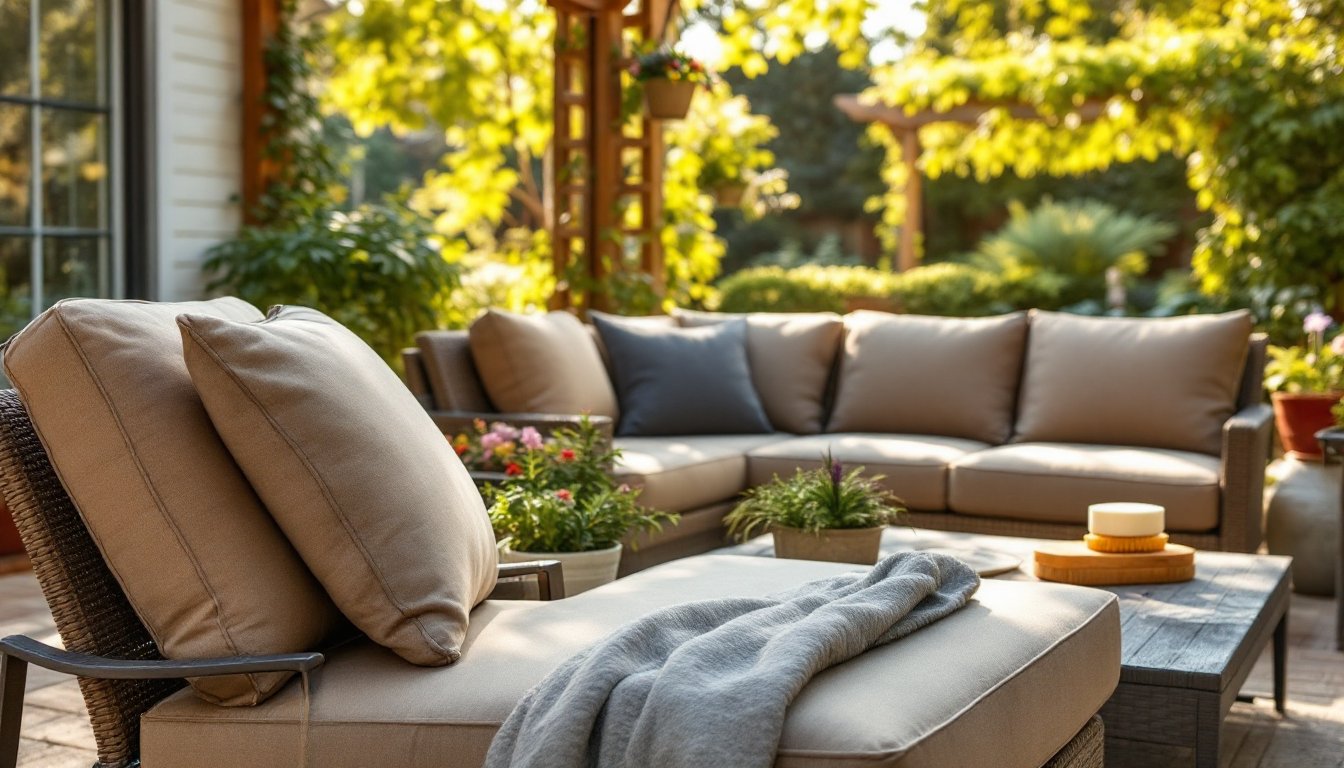
ToggleNothing ruins a patio refresh faster than UV-bleached, mildew-stained cushions. Patio furniture cushion covers are the unsung workhorses of outdoor living, they’re not glamorous, but they’ll add years to your seating investment. Whether someone’s dealing with intense summer sun, unexpected spring showers, or the general grimy buildup of outdoor living, the right covers make maintenance trivial and keep cushions looking fresh. This guide cuts through marketing noise and focuses on what actually works: weather protection, durability, and practical installation so homeowners can extend their patio season without constant babysitting.
Key Takeaways
- Patio furniture cushion covers protect your outdoor seating from UV damage, mildew, and moisture, extending cushion life from two years to five or more while reducing replacement costs.
- Choose solution-dyed polyester or Sunbrella acrylic fabrics with double-stitched seams and plastic zippers to ensure durability and weather resistance without compromising breathability.
- Accurate measurements are critical—covers that are too loose allow moisture underneath, while overtight covers stress seams and fail prematurely during installation.
- Proper installation on clean, dry cushions followed by seasonal cleaning with mild soap and soft brushing maintains cover integrity and prevents mildew growth underneath.
- Neutral color covers in tan, gray, or charcoal age gracefully and hide dirt longer while working with most patio designs without looking dated.
- Store covers in breathable bags with adequate airflow during winter months rather than compressing them, and inspect seams and zippers seasonally for early damage detection.
Why Cushion Covers Matter for Your Outdoor Space
Outdoor cushions take a beating. Sunlight degrades fabric dyes and breaks down synthetic fibers over time: moisture invites mildew and rot: pollen, bird droppings, and dust settle into the nap. Without protection, a $400 cushion set becomes dingy, weak, and odor-prone within two seasons.
Good cushion covers act as a sacrificial layer. They shield the actual cushion core from direct UV exposure, rain, and debris. This means homeowners spend ten minutes brushing off a cover instead of scrubbing deeply stained fabric, and they avoid the costly replacement of the cushion itself.
Beyond protection, covers reduce seasonal storage headaches. A covered cushion can stay on a chair year-round in mild climates: in harsh winters, it’s easier to store covered cushions than exposed ones, the cover keeps dust and pests out of the pile. They also let someone switch up aesthetics without buying new cushions. A faded blue cushion under a neutral cover looks intentional, not neglected.
Essential Features to Look For in Quality Covers
Weather Resistance and Durability
The best covers combine a water-resistant outer shell with breathability, moisture needs to escape, or trapped humidity rots the cushion underneath. Look for solution-dyed polyester or Sunbrella-type acrylic fabrics. These aren’t just marketing terms: solution-dyed means the dye is part of the fiber itself, not a surface coating, so it resists fading far longer. Acrylic fabrics are inherently mildew-resistant and dry faster than coated polyester.
Seams matter enormously. Double-stitched or flat-felled seams won’t unravel after one season of moisture and sun. Check that seams are sealed or reinforced: a loose thread turns into a ripped seam in weeks. Zippers should be chunky and plastic (not cheap metal that corrodes), or look for ties that keep the cover secure without mechanical failure points.
Dimensions are non-negotiable. Measure cushions carefully: length, width, and thickness. A cover that’s too loose flaps in wind and lets moisture creep underneath: one that’s too tight pinches seams during installation and creates stress points that fail prematurely. Most manufacturers list both cushion dimensions and cover dimensions separately, use both.
Material and Color Options
Polyester-based covers (solution-dyed or Sunbrella) are the workhorses for most patios. They’re less expensive than canvas, dry faster, and resist mildew well. Canvas or natural blends look richer but absorb moisture and take longer to dry: they’re better suited to covered patios or mild climates without high humidity.
Color choice is partly aesthetic, partly practical. Darker covers hide dirt longer but absorb more heat, relevant if someone’s concerned about UV transfer to the cushion. Lighter colors show staining faster but stay cooler. Neutral tones (tan, gray, charcoal) age gracefully and work with most patio schemes without looking dated. Avoid very light covers in sunny, dusty climates: they’ll need frequent cleaning.
Some covers come in one-piece designs: others have separate covers for seat and back cushions. One-piece covers are simpler to install but harder to wash. Separate covers let someone clean just the dirty back if needed. Consider maintenance habits and climate when choosing.
Installation and Maintenance Tips
Installation is straightforward but easy to botch. Start with clean, dry cushions and covers, damp fabric is slippery and more prone to wrinkles. Lay the cushion flat on a clean surface. Drape the cover over it and smooth out wrinkles as you work. If the cover has ties or zippers, secure them loosely first, then tighten evenly. Uneven tightening causes twisted fabric and stress on seams.
For zippered covers, pull the zipper slowly and steadily. Stop if there’s resistance, a caught thread or misaligned fabric can jam the zip permanently. Work from both ends if possible to keep tension balanced. Ties should be snug enough that the cover won’t slide during wind but not so tight that they indent the cushion or strain the attachment points.
Once installed, let covers settle for 24 hours before moving furniture. This allows any wrinkles to relax and the fabric to adjust to the cushion shape.
Cleaning extends life significantly. Brush off surface dust and pollen monthly with a soft brush. For stains, use a solution of mild soap and lukewarm water, spot-clean with a soft cloth, then rinse thoroughly. Avoid harsh chemicals and pressure washers: they degrade protective coatings and can tear fabric. Allow covers to air-dry completely before storing or using furniture again, this prevents mildew growth underneath.
Inspect seams and zippers seasonally. Tighten any loose stitching by hand if possible, or contact the manufacturer for a patch if damage is significant. Replace covers that show persistent mildew even though cleaning: the underlying cushion may already be compromised, and a new cover won’t solve the real problem.
For winter storage in freezing climates, remove and fold covers carefully. Store them in a breathable bag (plastic traps moisture) in a dry location. Don’t compress them into a tiny space for months, fabric relaxes better with some airflow and room.
Conclusion
Patio cushion covers are one of those unglamorous investments that pay dividends. A solid set of weather-resistant, well-fitted covers costs $100–300 per seating area and easily extends cushion life from two years to five or more. The real return isn’t fancy, it’s fewer stains, no mildew smell, and seating that still looks intentional come fall. Measure carefully, choose breathable, solution-dyed or acrylic fabrics, install them properly, and clean them seasonally. That’s the whole formula.