
Table of Contents
ToggleTraditional living room furniture sets represent a timeless approach to home design that prioritizes comfort, quality craftsmanship, and elegant aesthetics. Unlike trendy, minimalist styles that come and go, traditional furniture offers enduring appeal with classic silhouettes, rich materials, and design elements that work across decades. Whether someone is furnishing a new home or refreshing a tired living space, traditional living room furniture sets provide a solid foundation that balances style with practicality. This guide walks through what makes traditional furniture distinctive, which pieces matter most, and how to select durable options that’ll anchor a room for years to come.
Key Takeaways
- Traditional living room furniture sets prioritize timeless design with classic silhouettes, solid construction, and enduring appeal that transcends fleeting trends.
- Essential pieces in a traditional furniture set include a sofa with rolled or camelback design, accent chairs, a wood coffee table, side tables, and coordinated storage pieces arranged around a focal point.
- Quality materials like solid hardwood frames, high-density foam cushions, and high-performance upholstery fabrics ensure traditional furniture remains durable and comfortable for 10-15+ years of regular use.
- Symmetrical arrangement, layered textures, warm color palettes, and classical lighting fixtures transform traditional living room furniture into an inviting, sophisticated space.
- When selecting traditional living room furniture, examine frame construction, cushion quality, wood finish protection, and seam durability to ensure your investment ages gracefully.
What Defines Traditional Living Room Furniture
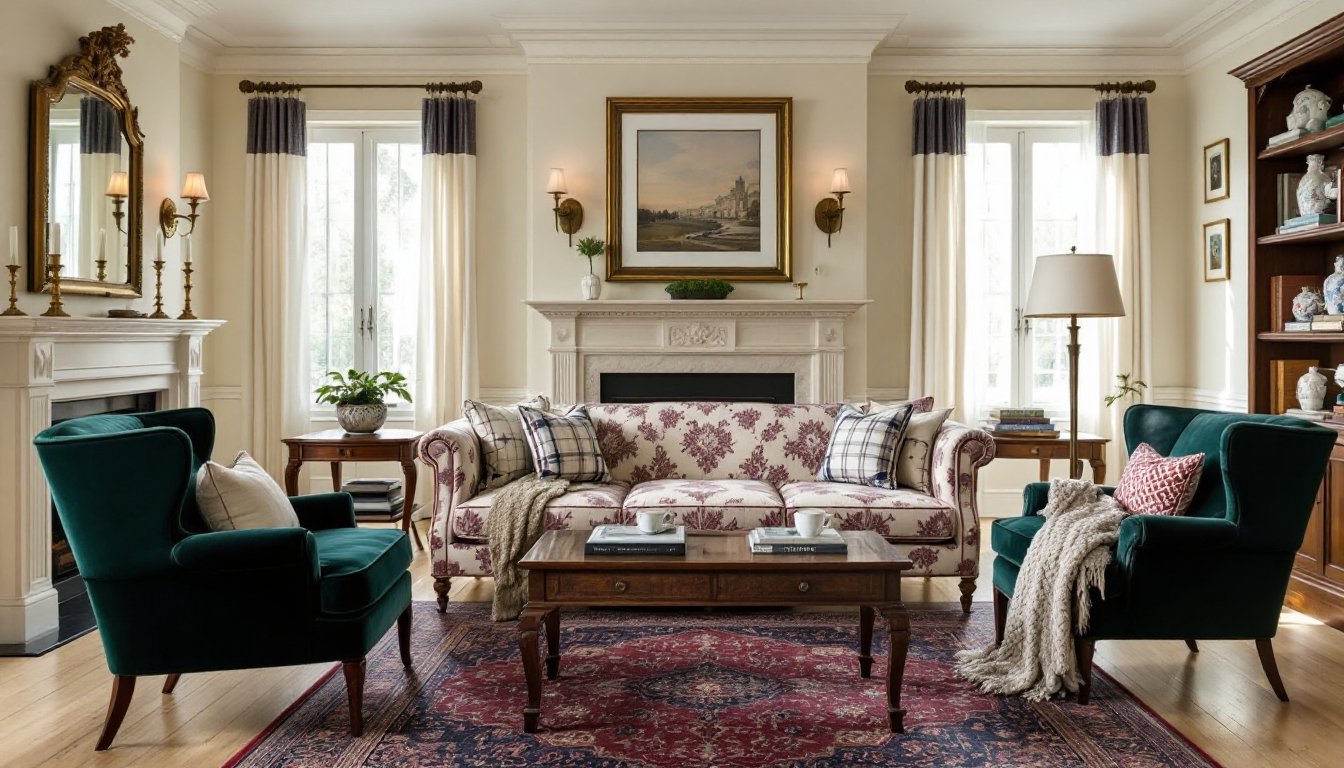
Traditional living room furniture draws from classical design principles that emerged over centuries, blending Victorian, Georgian, and early American styles into a cohesive aesthetic. The hallmark of traditional furniture is its emphasis on symmetry, ornamental details, and solid construction. You’ll recognize traditional pieces by features like rolled arms, nailhead trim, tapered legs (often turned wood), and curved frames that favor curves over sharp angles.
Color palettes in traditional furniture typically lean toward warm, muted tones, think burgundy, cream, forest green, and rich browns. Patterns matter too: damask, floral prints, stripes, and plaid are staples that add visual interest without feeling chaotic. Unlike modern furniture that celebrates minimalism and metal accents, traditional sets emphasize wood, mahogany, cherry, oak, and walnut are common choices for visible structural elements.
The philosophy behind traditional design is longevity. These pieces aren’t meant to be replaced in two years when styles shift. Instead, traditional furniture is built with the expectation that it’ll be passed down, refinished if needed, and remain relevant. That durability and timeless quality make traditional living room furniture sets an investment rather than a disposable purchase.
Essential Pieces in a Traditional Furniture Set
A well-rounded traditional living room starts with core pieces that define the room’s function and flow. Every traditional set needs a focal point, usually a fireplace or entertainment center, and furniture arranged to face that anchor. The essential items that make up a traditional living room furniture set include a sofa, accent chairs, coffee table, side tables, a TV stand or credenza, and often a bookcase or cabinet for display.
Sofas and Seating Arrangements
The sofa is the centerpiece of any traditional living room. Traditional sofas typically feature rolled or camelback designs, measuring between 84 and 96 inches in length. Upholstery is usually fabric, either a performance blend or genuine leather, with neutral backgrounds or classic patterns. Rolled arms (where the armrest curves inward) and tight backs (where cushions are attached to the frame) are hallmarks of traditional construction.
An ideal traditional living room furniture set includes a sofa paired with one to two accent chairs positioned at 45-90 degree angles. These chairs might be wingback style, club chairs, or barrel chairs, each with its own character but coordinated in fabric and finish. Seating arrangements should encourage conversation and work with room proportions, in a smaller space, a sectional with an ottoman can replace a separate chair and still maintain traditional aesthetics.
Coffee Tables and Side Tables
Coffee tables in traditional settings are almost always wood, often with a center shelf or lower shelf for storage. Dimensions typically run 36 to 48 inches long and 18 to 24 inches deep, sized to sit about 12 to 18 inches from the sofa edge. Styles range from straightforward rectangular tables with tapered legs to ornate designs featuring carved details or inlaid veneers.
Side tables flank the sofa or sit beside accent chairs, usually standing 24 to 26 inches tall to align roughly with arm height. Traditional side tables are often round or square, made from matching or complementary wood species. Pairs of matching side tables create visual symmetry, a core principle in traditional design. Nesting tables offer flexibility in smaller spaces, allowing you to adjust configuration as needed.
Design Elements and Styling Tips
Arranging a traditional living room furniture set requires intentionality around balance and focal points. Start by identifying your room’s natural anchor, a fireplace, large window, or built-in entertainment wall, and orient the sofa and primary seating to face it. This arrangement immediately grounds the space and creates a natural gathering spot.
Layering textures is essential in traditional rooms. Combine smooth leather with patterned upholstery, add a traditional area rug (Persian, Oriental, or Kilim styles work well), and introduce wood tones through your tables and built-ins. Accessories like throw pillows, blankets, and artwork tie the scheme together without overwhelming the furniture itself. Traditional rooms benefit from symmetrical placement: if you have a side table and lamp on one side of the sofa, balance it with a matching or similar arrangement on the other side.
Lighting plays an underrated role in traditional design. Floor lamps with fabric shades, table lamps with traditional bases (brass, bronze, or wood), and wall sconces create warm, layered illumination. Avoid stark, modern lighting fixtures: instead, seek out fixtures with classical proportions. The goal is an inviting atmosphere where the furniture itself becomes the focal point, not a showcase for trendy accessories.
Color coordination across your traditional living room furniture set should feel intentional but not rigid. Pulling a secondary color from your sofa’s pattern and echoing it in accent chair upholstery or throw pillows creates visual cohesion. Many designers recommend choosing a neutral base (cream, beige, soft gray) for large pieces and reserving pattern and deeper color for accents.
Materials and Durability Considerations
The longevity of a traditional living room furniture set hinges on materials and construction quality. Real wood frames, hardwoods like kiln-dried oak, maple, and walnut, outperform particleboard or veneered MDF in durability. When shopping, ask whether the frame is solid hardwood or engineered wood: solid is worth the premium if you plan to keep the pieces for decades.
Upholstery fibers vary in performance. Natural fibers like wool and cotton offer classic feel but require more maintenance and stain treatment. High-performance fabrics blending natural and synthetic fibers (like a cotton-polyester mix or wool-nylon blend) resist staining better while maintaining the appearance of traditional upholstery. Leather is durable and ages beautifully if maintained, though it comes at a higher price point and requires regular conditioning.
Seating comfort depends on cushion construction. High-density foam (rated 1.8 lbs per cubic foot or higher) holds its shape longer than budget foam. Sinuous springs or eight-way hand-tied springs provide support that lasts 10-15 years in regular use, while cheaper sinuous springs alone may sag within five years. Check specifications or feel the seat yourself, traditional furniture should feel substantial and supportive, not soft and collapsing.
Wood finish quality matters for table and frame visibility. A properly sealed finish with multiple coats of lacquer or polyurethane resists scratches and moisture better than a thin coat. Veneer on tables should be glued securely: inspect corners and edges for lifting during shopping. For any traditional living room furniture set you’re considering, examine how seams are finished, whether legs are securely braced, and whether drawers operate smoothly without wobbling.
Conclusion
Choosing a traditional living room furniture set is an investment in timeless style and lasting comfort. Success depends on understanding the hallmarks of traditional design, rolled arms, quality wood, classic proportions, and balanced symmetry, and recognizing which pieces anchor your room. Prioritize solid construction, performance-grade upholstery, and materials built to age gracefully. A well-selected traditional set becomes the backbone of a room that feels sophisticated, inviting, and current for years to come, regardless of what trends come and go.