
Table of Contents
ToggleFinding the right bedroom furniture store can feel overwhelming, there are countless options online and offline, each with different price points, styles, and quality standards. Whether someone is furnishing their first bedroom, upgrading a tired master suite, or searching for a specific piece, knowing what to look for makes the difference between a great purchase and buyer’s remorse. This guide breaks down how to identify a quality bedroom furniture store, understand what styles work best for different aesthetics, and navigate shopping options to get the best value for their budget in 2026.
Key Takeaways
- A quality bedroom furniture store offers diverse styles (contemporary, mid-century modern, farmhouse, transitional) and multiple price points rather than forcing a single aesthetic.
- Prioritize construction quality and materials—solid wood with dovetail joints costs more upfront but outlasts particleboard by years, making it genuine value rather than the lowest price.
- Visit showrooms in person to confirm finishes and test pieces in natural light, then negotiate delivery and assembly terms or honor online prices to stretch your bedroom furniture budget.
- Shop strategically during Memorial Day, Labor Day, Black Friday, and January/February sales, and mix new essentials (mattress, bed frame) with secondhand vintage pieces from local marketplaces to save 30–50%.
- The hybrid shopping approach—researching online to compare prices and styles, then confirming selections in-store—reduces buyer’s remorse and ensures your bedroom furniture investment fits both your space and aesthetic.
What to Look for in a Quality Bedroom Furniture Store
Product Selection and Range
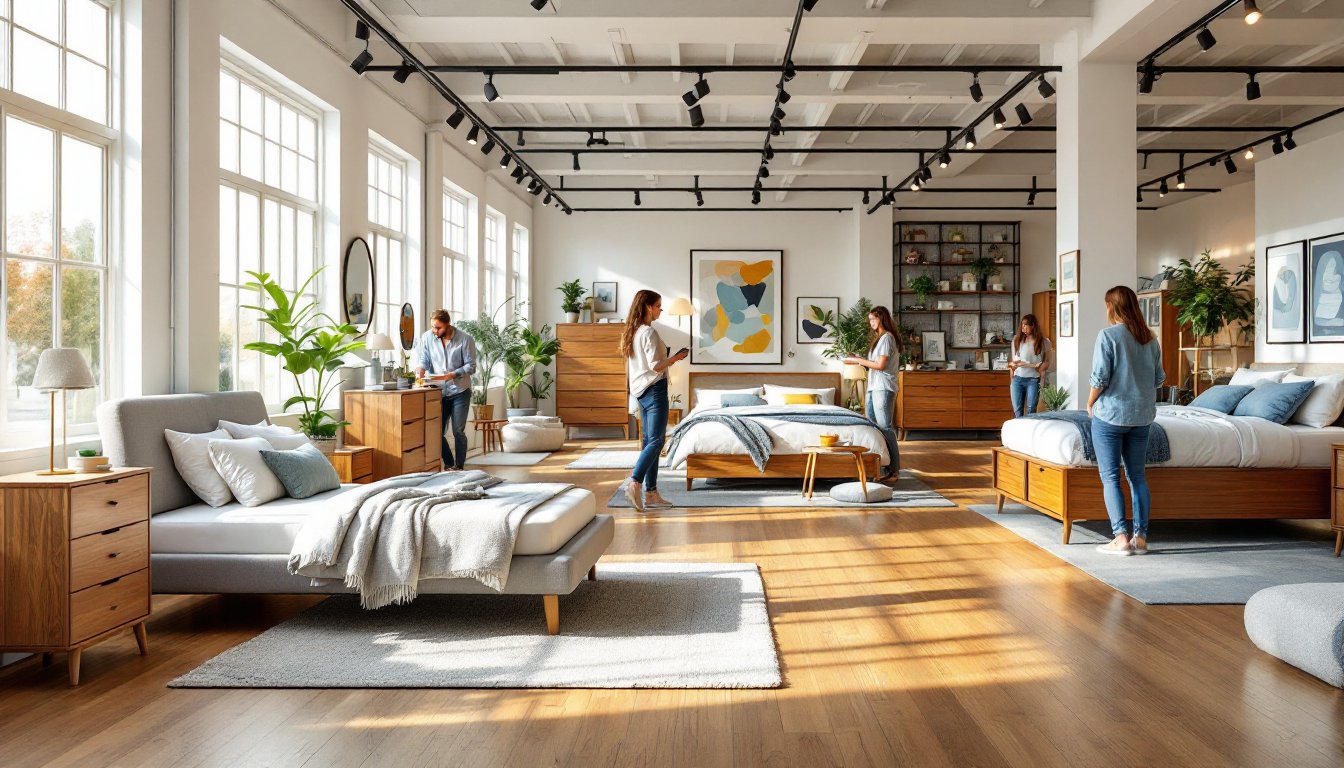
A solid bedroom furniture store stocks a variety of styles and price points, not just one aesthetic or luxury tier. Look for retailers that carry traditional, contemporary, mid-century modern, and transitional designs, this signals they cater to different tastes rather than pushing a single brand identity. The best stores also offer bedroom essentials: bed frames (platform, adjustable, storage), nightstands, dressers, mirrors, and accent pieces.
Check whether they carry multiple bed sizes (twin, full, queen, king, California king) and whether frames come in various materials like wood, metal, or upholstered options. A strong selection in mattress types, memory foam, hybrid, innerspring, latex, shows they understand that bedrooms are personal. Retailers that allow mix-and-match components (pairing a frame from one line with bedding from another) offer more flexibility than those forcing bundled sets.
Pricing and Value
Pricing transparency matters. A quality store clearly lists prices on their website, doesn’t hide shipping costs until checkout, and explains what you’re paying for. Compare price-per-piece and consider construction details, solid wood costs more than veneered or particleboard, but will last longer. Particleboard (compressed wood chips bound with resin) is affordable for budget pieces but typically won’t hold up beyond 5–7 years of daily use.
Value isn’t always the lowest price: it’s the right price for durability and style. A $400 dresser with solid oak construction and dovetail drawer joints will outlast a $200 option made with stapled particleboard. Check warranty coverage, reputable stores offer at least 1–2 year warranties on structural defects. Read customer reviews specifically mentioning delivery, assembly quality, and whether items held up over time. This feedback reveals whether a store’s pricing matches real-world durability.
Top Furniture Styles to Match Your Bedroom Aesthetic
Contemporary and modern styles dominate 2026 bedroom design, clean lines, neutral color palettes, and minimal ornamentation appeal to those wanting a calm retreat. Look for low-profile bed frames, sleek nightstands with hidden storage, and dressers with flat-front drawers (no hardware showing) at stores specializing in modern furnishings.
Mid-century modern remains strong, featuring tapered wooden legs, warm wood tones, and subtle curves. This style works well in smaller spaces because pieces tend to be less bulky than traditional furniture. Stores like West Elm and local vintage/restoration shops often have authentic or inspired pieces in this category.
Farmhouse and rustic styles use reclaimed or distressed wood, wrought iron accents, and neutral fabrics, ideal for creating cozy, lived-in bedrooms. These pieces typically cost more due to material sourcing and finishing work, but they age gracefully.
Transitional blends traditional and contemporary, think a classic bed frame with clean lines and modern nightstands. This is the easiest style to match across different furniture pieces and works well if someone’s bedroom connects to a modern hallway or traditional living spaces.
Visit stores in person when possible to see how finishes and upholstery look in natural light. Photos online can mislead, a white dresser might read as cream, pale gray, or pure white depending on lighting. Measure doorways and hallways before buying: a beautiful headboard won’t fit through a 32-inch door, and oversized dressers can dominate small rooms.
Shopping Online vs. In-Store: Which Option Works Best
Online shopping offers convenience, wider selection, and often lower prices since retailers save on showroom overhead. Major chains (Ashley Furniture, Wayfair, Amazon) and direct-to-consumer brands (Casper, Helix, Tuft & Needle for mattresses: Article, Burrow for furniture) provide detailed product pages, customer reviews, and filters to narrow choices by price, material, and style.
The downside? Shipping large pieces can cost $100–$500 depending on distance and delivery complexity. Assembly is often the buyer’s responsibility or available for an additional fee ($150–$300 per piece). Returns become problematic: a returned dresser means arranging pickup, potential restocking fees, and weeks without that piece.
In-store shopping lets buyers touch fabric, examine wood grain and finishes, and test bed firmness. Sales staff can discuss customization options (leather vs. fabric upholstery, wood species, finish colors) in real-time. Stores often arrange free or low-cost delivery and assembly as an incentive.
The trade-off is less selection, less haggling room at chain stores, and pressure to buy quickly. Local independent furniture stores sometimes offer better personalized service and can special-order pieces, but pricing may be higher.
The hybrid approach works best: Browse online to narrow choices and compare prices, then visit a showroom to confirm finishes and proportions. Call ahead to confirm stock, ask about sales cycles, and negotiate delivery/assembly terms. Many retailers honor online prices for in-store purchases if someone shows them a screenshot.
Budget-Friendly Tips for Bedroom Furniture Shopping
Prioritize key pieces first. A bed frame and mattress are non-negotiable: a nightstand and dresser come next. Accent tables, benches, and wall-mounted shelves can wait or come from thrift stores. Spending $1,200–$2,000 on a quality bed system is smarter than spreading that budget across five mediocre pieces.
Buy unfinished or flat-pack options. Retailers like IKEA and Wayfair offer lower prices because buyers assemble pieces themselves. Unfinished wood furniture can be stained or painted to match existing décor. This approach saves 30–50% compared to fully assembled pieces but requires time and basic tools (screwdriver, hammer, level).
Shop sales strategically. Memorial Day, Labor Day, and January/February tend to have furniture sales. Black Friday (November) and Cyber Monday bring online discounts. Sign up for store newsletters to catch early-bird deals or clearance notifications. Scratch-and-dent sections often have 20–40% discounts on items with minor cosmetic damage.
Mix new and secondhand. Buy a new mattress (essential for hygiene and warranty coverage) but source a solid wood dresser or nightstand from local Facebook Marketplace, Craigslist, or antique shops. A refinished vintage piece often costs less than new and lasts decades. Inspect secondhand items for structural stability, water damage, and pest issues before purchasing.
Negotiate delivery and assembly fees. These can add $300–$500 to an order. Ask if stores waive fees with purchases over $1,500 or bundle multiple items. Some offer free assembly if delivery is scheduled within a specific window. Every dollar saved on hidden costs stretches the furniture budget further.
Conclusion
Finding a quality bedroom furniture store comes down to prioritizing selection, honest pricing, and realistic expectations about shopping methods. Whether shopping online for convenience or in-store for hands-on inspection, knowing what to look for, solid construction, appropriate style, transparent costs, leads to better choices. With thoughtful planning and strategic shopping, anyone can create a bedroom that’s both beautiful and built to last without overspending.