
Table of Contents
ToggleModern coastal bedroom furniture blends the relaxed, airy aesthetic of seaside living with clean contemporary lines and functional design. Unlike traditional coastal decor that can feel dated or overly nautical, modern coastal style strips away the forced anchor-and-rope motif and instead focuses on natural materials, soft neutral tones, and uncluttered layouts. Homeowners drawn to this style want a serene retreat that feels connected to nature without sacrificing durability or personal style. Whether you’re working with a full bedroom remodel or swapping out key pieces, understanding the core principles of modern coastal furniture helps you make smart selections that’ll stand up to wear while keeping that breezy, resort-like feeling alive.
Key Takeaways
- Modern coastal bedroom furniture emphasizes natural materials, soft neutral tones, and minimal details while ditching ornate designs and forced nautical motifs for a timeless aesthetic.
- Low-profile platform beds, simple dressers with hidden storage, and clean-lined nightstands form the foundation of modern coastal style without visual clutter.
- Choose natural wood finishes like whitewashed, pickled, or light tones, paired with quality fabrics such as linen and cotton canvas in soft whites, warm grays, and muted accent colors that evoke water and sand.
- Layering is essential—combine a simple bed frame with quality bedding, throw pillows, and minimal artwork to create an inviting retreat that feels connected to nature.
- Prioritize functional storage through well-designed dressers, floating shelves, and space-efficient pieces to address the limited closet depth common in coastal homes.
- Soft, flexible lighting with bedside task lamps and dimmable fixtures maintains the calm, resort-like vibe that defines modern coastal bedroom design.
What Defines Modern Coastal Bedroom Furniture
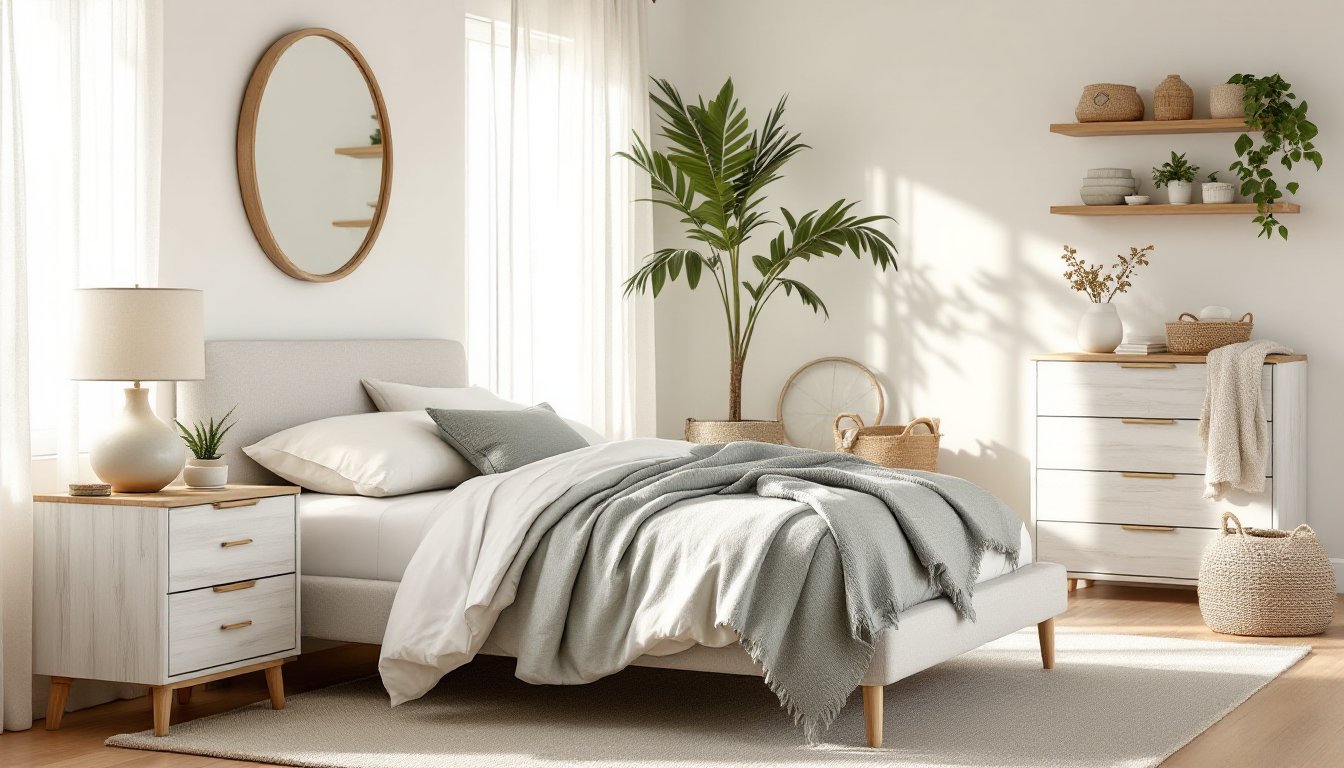
Modern coastal furniture ditches the heavy, ornate pieces and cutesy shell accents in favor of low-profile, minimal-detail designs. The aesthetic emphasizes horizontal lines, open spaces, and a sense of calm. You’ll see platform beds rather than traditional four-posters, streamlined dressers without elaborate molding, and nightstands with clean edges and minimal hardware.
The key difference from retro coastal style is restraint. Modern coastal respects function first, every piece should have a practical purpose, and visual clutter is the enemy. Materials tend toward natural and sustainable options: reclaimed wood, engineered wood with authentic finishes, natural fibers like jute and linen, and metals in brushed finishes rather than shiny brass or chrome. The color palette stays anchored in soft, earthy neutrals, whites, soft grays, warm taupes, and natural wood tones that mimic driftwood and sand. Pops of color are muted: soft blues reminiscent of shallow water, sage greens, or warm sandy yellows appear in accents and textiles, never as dominant wall colors or furniture pieces.
This approach works because it’s genuinely timeless. A modern coastal bedroom designed in 2026 won’t feel trendy or dated in five years, the bones are too grounded in minimalist design principles.
Essential Furniture Pieces for a Coastal Bedroom
Beds and Headboards
The bed is the anchor. In modern coastal design, a low-profile platform bed or a bed frame with minimal leg height (6 to 12 inches off the ground) creates that open, airy feeling. Upholstered headboards are common, usually in light linen, canvas, or performance fabrics in soft gray or natural tones. Avoid leather unless it’s distressed or pale, which can read too formal.
Reclaimed wood headboards work beautifully if the wood is light gray or whitewashed, not dark stain. A solid wood frame finished in matte white, soft gray, or natural wood lets the mattress and bedding be the visual star. Some homeowners skip a traditional headboard entirely, opting for a simple wooden slat wall behind the bed or relying on layered pillows and throws for visual interest.
Mattress size matters less than proportion. In a standard bedroom, a queen mattress with simple white or natural-toned bedding paired with quality layering (linen sheets, lightweight cotton quilt, linen throw) sets the mood better than any trendy upholstered statement piece. The bedding itself is the design element, look for natural fiber options or high-performance fabrics that resist wrinkles and fade, a practical advantage for a bedroom that gets regular sun exposure (common in coastal homes).
Storage and Dressers
Coastal bedrooms often lack closet depth, so dressers and storage are crucial. Modern coastal dressers typically feature 6 to 8 drawers with simple, handle-free or minimalist-pull hardware. Recessed handles or push-to-open mechanisms reduce visual clutter. Finishes trend toward whitewashed or natural wood, though light gray and soft taupe are equally valid. Avoid highly glossy finishes, they’ll look plastic and dated. Matte or satin finishes are more sophisticated.
Nightstands should match or complement the dresser in finish and material. Open shelving nightstands (two legs, one shelf) work in smaller rooms and reinforce the airy aesthetic, though they require discipline, visible items must be intentional. A simple drawer or cabinet style in wood or painted wood gives you hidden storage for less-attractive necessities like charging cables or sleep aids. Two-drawer nightstands are the sweet spot for functionality without bulk.
Combination pieces, a dresser-nightstand hybrid or a wall-mounted shelf with a small cabinet, maximize square footage in tight layouts. Floating shelves made of solid wood or quality engineered wood add depth without taking floor space. Ensure shelving is properly anchored to wall studs (not drywall anchors alone) if you’re mounting anything that will hold books, lamps, or decorative objects.
Materials and Color Palettes That Capture Coastal Vibes
The material and color choices are what sell the modern coastal story. Natural wood, oak, ash, or pine, is the workhorse. Light finishes (whitewash, pickled, or natural pale tones) are most common and forgiving, hiding dust and minor dings. Reclaimed or distressed wood adds authenticity without requiring actual salvaged pieces: manufacturers do this convincingly now.
Engineered wood (plywood or MDF with veneer) is honest and practical for a DIY-focused audience. Quality engineered pieces from reputable makers last as long as solid wood and cost significantly less. Look for boards that are at least ¾-inch thick and use solid-wood edge banding, not plastic edge tape. This finish detail is the difference between furniture that feels quality and furniture that feels cheap.
Fabrics anchor the softness. Linen is the hero, it wrinkles (which is fine in coastal style), breathes, and softens with washing. Performance linen blends resist staining and pilling, practical for high-traffic bedrooms. Natural cotton canvas in light weights works for headboards or upholstered storage benches. Jute and sisal bring texture to area rugs or woven storage pieces but aren’t comfortable for upholstery.
Color should evoke water, sand, and sky without being literal. Soft whites and creams (not stark bright white, which can feel sterile) form the base. Warm grays, think weathered driftwood, complement wood tones without competing. Soft taupe or greige (gray-beige hybrid) adds warmth without saturation. Accent colors appear in bedding, throw pillows, or wall art: muted sage or soft blue-green (not primary ocean blue), warm sandy yellow, or soft gray-blue. These should occupy no more than 20% of visual space.
Metals should be brushed or matte, stainless, blackened steel, or brushed brass. Shiny gold or chrome reads contemporary-glam, not coastal. Hardware on dressers and nightstands should be minimal and subtle, often matching the wood tone or using simple brushed metal knobs or bar pulls.
Modern Coastal Bedroom Design Tips
Start with your largest piece, usually the bed and dresser, and build around them. These anchor the room’s style. If you’re replacing furniture gradually, buy matching pieces or pieces that share material and finish language so the room doesn’t feel disjointed.
Layering is your friend. A simple wood bed becomes inviting with a quality natural linen duvet or quilt, layered sheets, and two to three throw pillows in neutral or muted-tone fabrics. A plain dresser gains personality with a simple round or rectangular mirror (metal frame or wood frame, unadorned) hung directly above or slightly off-center. Avoid busy gallery walls in coastal bedrooms, one focal point per surface is the rule.
Lighting should be soft and flexible. Bedside task lamps with linen or cotton shades work better than bare bulbs or high-gloss metal fixtures. Wall sconces flanking the bed eliminate nightstand lamp clutter if space is tight. A dimmable ceiling fixture or recessed lighting on a separate switch lets you set mood. Avoid bright, harsh overhead-only layouts, they kill the calm vibe.
Texture without pattern keeps things visually quiet. Woven throw blankets, natural fiber baskets for under-bed or closet storage, and unglazed ceramic or wood accessories add warmth and interest without competing visually. Artwork should be minimal, perhaps one large, simple piece (a landscape, abstraction in muted tones, or botanical print) or an open wood frame with nothing inside, just negative space. This restraint is what separates modern coastal from cottagecore cluttered-cozy.
Measure before you buy. Bedrooms are rarely as spacious as they feel when empty. A full-size dresser works in most 10×12 bedrooms, but in tighter spaces, consider a 6-drawer low dresser or a console table behind the bed for folded items. Platform beds are lower profile and make rooms feel larger than traditional frames with higher bases. Nightstands can be as simple as two floating shelves mounted at bed height, saving a full furniture footprint.
Conclusion
Modern coastal bedroom furniture is achievable and affordable if you prioritize natural materials, muted colors, and clean lines over branded collections or trend-driven pieces. Build your room around solid fundamentals, a quality bed, functional storage, and thoughtful lighting, then let simple textiles and minimal accessories do the design work. The result is a bedroom that feels like a retreat, not a showroom, and holds up beautifully over time.