
Table of Contents
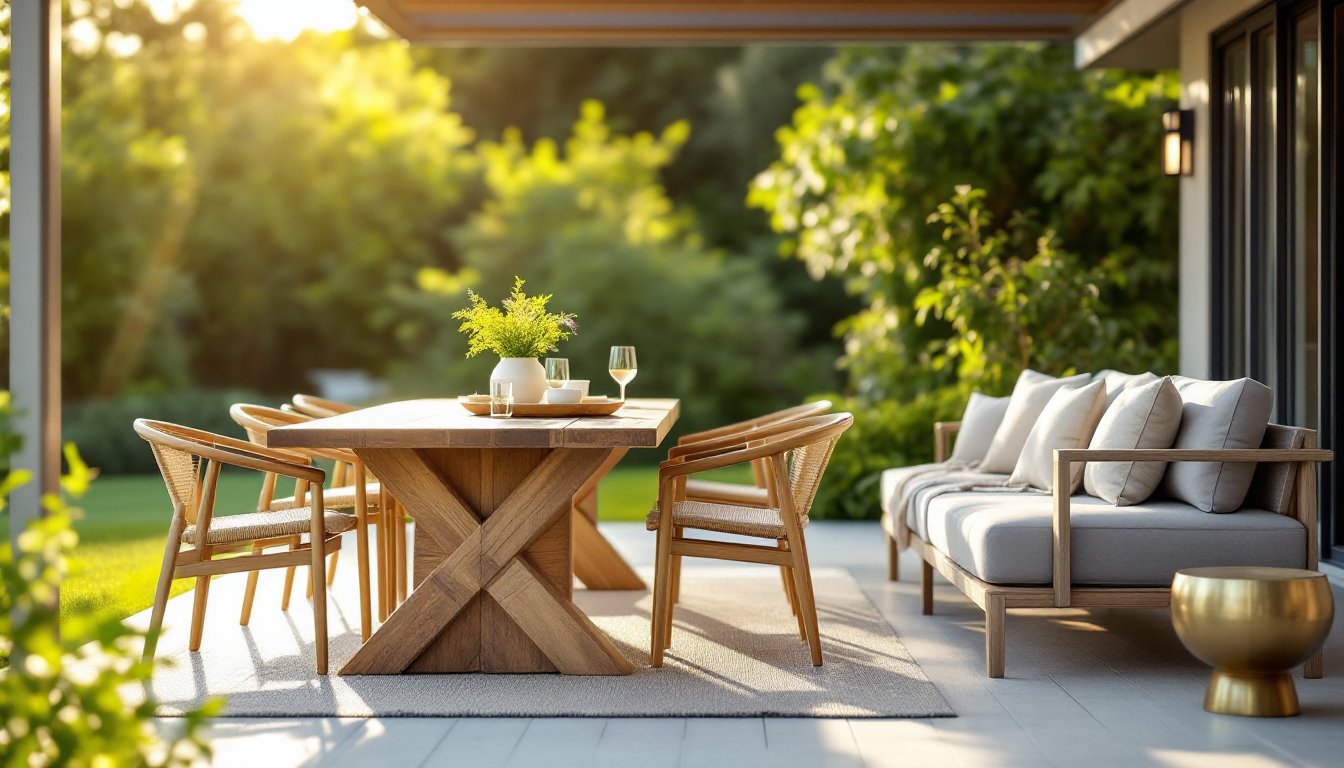
ToggleBuilding a patio that looks good and feels responsible doesn’t require compromise. Sustainable patio furniture has moved beyond niche eco-products into mainstream design, and the options are better than ever. Homeowners today are choosing materials like reclaimed wood, recycled composites, and responsibly harvested bamboo to furnish their outdoor spaces. These choices reduce environmental impact while delivering durability and style that often outlast conventional outdoor furniture. Whether updating an existing deck or starting from scratch, understanding sustainable options helps create an outdoor living area that aligns with both practical needs and values.
Key Takeaways
- Sustainable patio furniture built from reclaimed wood, recycled composites, and certified bamboo reduces environmental impact while lasting significantly longer than conventional outdoor furniture.
- Eco-friendly options save money long-term through reduced replacement frequency and minimal maintenance, with materials like recycled aluminum requiring 95% less energy to produce than virgin material.
- Verify third-party certifications such as FSC for wood and Greenguard Gold for finishes to avoid greenwashing and ensure truly sustainable patio furniture choices.
- Matching materials to your specific climate and sun exposure—such as UV-resistant composites for full sun or woven naturals for covered areas—determines both durability and maintenance requirements.
- Quality joinery, stainless-steel fasteners, and modular designs that allow component replacement extend furniture lifespan to decades, making sustainable patio furniture a true long-term investment.
Why Sustainable Patio Furniture Matters for Your Home
Conventional outdoor furniture often ends up in landfills within 5–10 years. Weather exposure, UV damage, and cheap construction make replacement frequent and wasteful. Sustainable patio furniture addresses this by prioritizing longevity, responsible sourcing, and minimal environmental footprint during production and disposal.
Choosing eco-friendly options has tangible benefits beyond environmental ethics. Durable materials require less frequent replacement, saving money over time. Many sustainable pieces are built to withstand years of use with minimal maintenance, solid hardwoods actually improve with age, developing character rather than deteriorating. Also, responsibly sourced materials often mean healthier outdoor spaces: you’re avoiding furniture treated with harmful VOCs (volatile organic compounds) or pesticide-laden coatings that can off-gas into your home’s air.
For homeowners, this shift also reflects market reality. Energy-efficient, responsibly made products increasingly hold resale value. A well-maintained patio with quality, sustainable furnishings appeals to buyers looking for move-in-ready outdoor living spaces.
Best Eco-Friendly Materials for Outdoor Furniture
Reclaimed and Recycled Wood
Reclaimed wood brings authentic character and proven durability to outdoor spaces. Sourced from old barns, factories, or salvage operations, it’s already weathered real conditions and won’t fail under UV and moisture stress. Since it’s already aged, shrinkage and movement are minimal, you’re not dealing with the wood shifting seasonally as it acclimates to humidity.
Recycled composite lumber is another strong option. These boards blend reclaimed wood fibers with recycled plastic, creating a material that mimics solid wood’s appearance while resisting rot, splinters, and insect damage. Brands manufacturing composites from post-consumer recycled content (not virgin plastic) directly divert waste from landfills. Composites require virtually no staining or sealing, a major prep-work advantage over traditional lumber.
Bamboo is increasingly popular for furniture frames and seat slats. It grows rapidly (reaching maturity in 3–5 years versus 20+ for most hardwoods) and regenerates after harvesting without replanting. Look for certifications like FSC (Forest Stewardship Council) to confirm sustainable harvest practices. Bamboo is harder than many domestic hardwoods and resists splintering, though some finishes fade without periodic UV protection.
Metal and Composite Options
Aluminium and powder-coated steel offer lightweight, weather-resistant bases for outdoor furniture. Both metals are infinitely recyclable without degrading, recycled aluminum requires 95% less energy to produce than virgin material. Powder-coated finishes eliminate off-gassing concerns and hold color longer than traditional paint, reducing repainting frequency.
Recycled plastic lumber paired with metal frames creates affordable, low-maintenance seating. Modern plastic composites engineered from ocean-bound or agricultural waste plastics avoid the guilt of virgin petroleum-based products. These materials resist splitting, mold, and mildew, critical in humid climates where wood swells and attracts fungal growth.
Rattan and woven natural fibres (like rattan or water hyacinth) work well in covered patios and screened porches. They’re biodegradable and renewable, though they require shelter from direct rain and sun. If choosing woven pieces, verify they’re dyed with non-toxic, low-impact finishes to avoid persistent chemicals in your outdoor space.
How to Choose Quality Sustainable Pieces
Start by assessing exposure. Will furniture sit in full sun, under a covered structure, or in a sheltered corner? Full-sun exposure demands UV-resistant finishes and dense hardwoods or composites: partial shade allows more delicate materials like bamboo or woven naturals. This reality shapes your material choice and maintenance burden.
Check certifications and sourcing claims. Look for FSC certification on wood, OEKO-TEX or Greenguard Gold on fabrics and finishes (indicating low-VOC content), and clear statements about recycled-content percentages in composite materials. Vague greenwashing, “eco-friendly” with no third-party backing, should raise questions. Reputable manufacturers provide material sourcing documentation and warranty terms that reflect confidence in durability.
Inspect joinery and hardware. Sustainable doesn’t mean flimsy. Check that mortise-and-tenon joints, metal fasteners, or dowels are tight and finished cleanly, these details determine whether a piece lasts five years or fifty. Budget brands often cut costs here. A slightly higher upfront price often reflects reinforced joints, stainless-steel fasteners (which won’t rust and weaken), and better finish application.
Consider modular designs. Chairs or tables built from standardized components allow replacement of worn cushions, slings, or seat slats without discarding the whole piece. This adaptability extends product life dramatically and aligns with true sustainability thinking.
Maintaining Your Eco-Friendly Outdoor Furniture
Maintenance expectations vary by material, but most sustainable pieces require minimal intervention compared to conventional furniture. Reclaimed or solid hardwood benefits from annual inspection and a light sanding if splinters appear: many homeowners apply linseed oil or teak oil to restore finish without heavy chemical sealants. Wipe spills promptly, standing water hastens wear.
Composites and recycled plastics rarely need refinishing. A annual wash with mild soap and water removes pollen, mildew, and grime. If mold appears in humid climates, a dilute bleach solution (1 part bleach to 9 parts water) kills spores: rinse thoroughly. Store cushions indoors during off-season to prevent mildew trapped in fabric.
Metal frames should be checked for rust at fastener points. Powder-coated finishes resist corrosion, but chips or scratches expose base metal. Touch up small areas immediately with matching paint: deep rust warrants professional refinishing to prevent structural compromise. Wipe salt spray off immediately in coastal areas, salt accelerates corrosion.
Woven natural fibres need shelter from direct rain and intense sun. Store indoors during winter or use weather-resistant covers. Spot-clean with mild soap: don’t saturate. These materials degrade faster than wood or composite but remain fully biodegradable when their lifecycle ends.
Invest in quality cushions with covers, this small expense protects the structural frame and extends the furniture’s visual appeal. Removable, washable covers also make seasonal cleaning easier and prevent accumulated moisture that rots foam or attracting insects.
Conclusion
Sustainable patio furniture isn’t a passing trend, it reflects smarter material science and honest design thinking. By choosing responsibly sourced wood, recycled composites, or certified bamboo, homeowners invest in outdoor spaces that last decades while reducing their environmental footprint. The key is matching materials to your specific climate, exposure, and maintenance willingness, then buying quality pieces with proven joinery and transparent sourcing. With straightforward upkeep, eco-friendly furnishings become the kind of elements that define a home’s outdoor living character for years to come.